What the camera shows
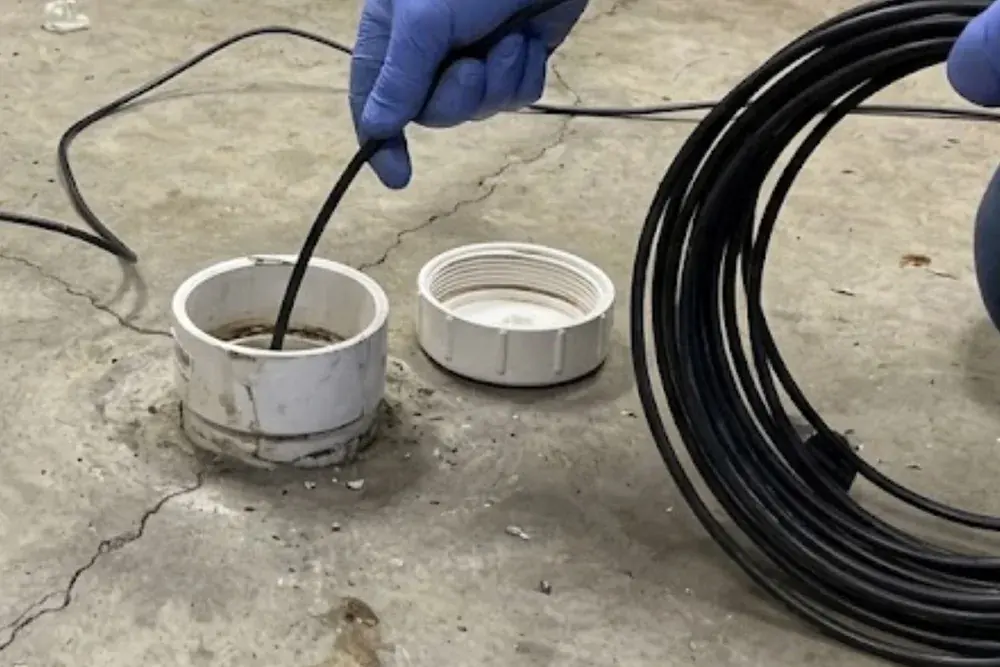
A sewer camera is a waterproof lens on a flexible rod with a light and a locating transmitter. It travels the line from the cleanout toward the street and records what it sees. We look for roots, cracks, offset joints, sags that hold water, scale and debris, and the depth and position of each.
What an inspection can find
- Roots entering at joints.
- Cracked or collapsed sections.
- Offset or separated joints.
- Low spots that hold water.
- Grease or scale buildup.
- Connections that are not on a plan.
When an inspection is worth the visit
Emergencies are only one reason to book an inspection. Buying a home is the most common reason, since a sewer lateral problem is expensive and often invisible. A line that backs up twice in a season is the second most common reason. A third is a remodel that changes the plumbing layout and needs a map of what exists.
A camera also confirms the result of a cleaning. If the pipe looks clear after jetting, you know the repair is not needed. If it does not, you know before the next backup.
Inspection versus a plain cleaning
A cleaning answers one question, which is whether the line can be opened. An inspection answers a bigger one, which is why the line closed in the first place. If you have been cleared more than once, ask for the camera. It turns a guess into a recording you can watch with the technician and keep.
We also use the camera to check work. After a repair or a jetting visit, a second pass confirms that the pipe is clear and that the repair holds. That is how you know the money went to the right fix and not to a second round of cleaning.
Buying a home in West Orange County
The area grew from 14,351 people in Winter Garden in 2000 to 46,964 in 2020, and many homes changed hands during that growth. A home inspector does not usually scope the sewer lateral. A camera inspection before closing gives you a recording to use in negotiating a repair or credit.
Historic homes near the downtown district may have older pipe material. Newer subdivisions may have builder grade plastic laid on fill that has settled. Both are worth a look.
What you receive
- Access and prepWe locate the cleanout and prepare the line.
- Recorded runThe camera travels the line and we mark defect locations.
- Plain explanationYou see the footage and hear what each finding means.
- Written optionsIf something needs repair, you get the choices and the cost drivers.
Cost factors
| Factor | Effect |
|---|---|
| Line length | A longer run takes more time. |
| Access | A clean outdoor cleanout is faster than pulling a toilet. |
| Cleaning first | A heavily blocked line may need cleaning before the camera can pass. |
| Locating the defect | Marking depth and position on the ground is an added step. |
If the camera finds a problem, see sewer line repair and sewer line cleaning. We serve Ocoee and Oakland too.
We read the footage against the Florida Building Code, Plumbing, so a finding such as an offset joint or a sag is judged by a published rule.
Questions we hear from callers
Most inspections take about an hour, depending on line length and whether the pipe needs cleaning first. We tell you what to expect when you book.
We need to clear it first so the camera can pass. In that case we treat it as a cleaning call and inspect afterward.
Ask when you book and we will tell you what format we can provide. Many homeowners want the footage for a seller or an insurer.
It covers your lateral from the cleanout toward the street. If the problem is in the city main we tell you what we see so you can contact the utility.
Often yes. New construction can have sags or a poorly connected joint. A recording documents the condition early.
That is a good result. A clear recording tells you the lateral is in working order today, and it gives you a baseline to compare against if a backup happens later. We still note any early signs such as light scale or a small offset.
Planned inspections are scheduled when we have an appointment available. If you have an active backup, call the 24/7 line and we treat it as an emergency.
To schedule an inspection, call (407) 964-8940.